
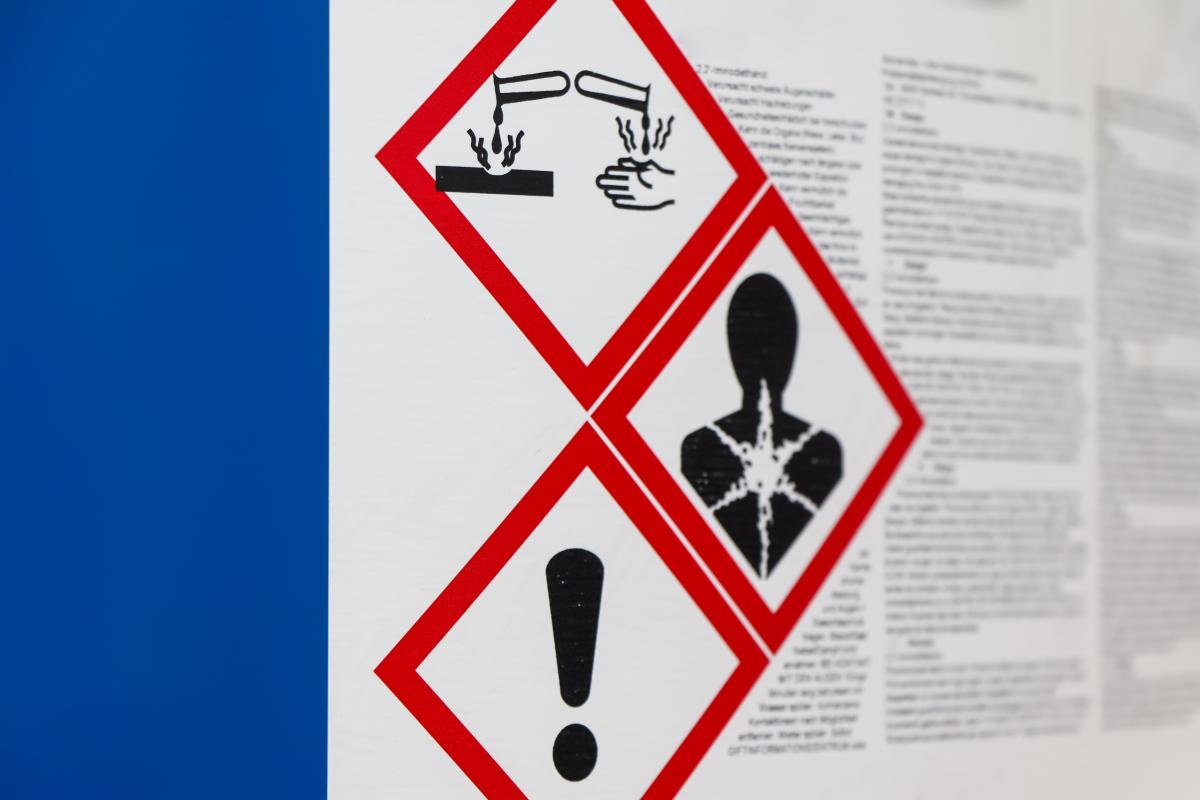
The regulatory system for chemical products is undergoing major historical changes. The (EC) 2024/2865 Regulation, which amends the CLP (Classification, Labelling and Packaging) Regulation, has been published and came into force by the end of 2024, bringing new requirements for manufacturers, importers and distributors of chemical products in Greece. Although the initial implementation timelines were quite demanding, the European Union approved a significant postponement of the deadlines in response to industry concerns. In this article, we will analyze the changes brought about by the new regulation, the new deadlines, and what businesses need to do.
Regulation (EU) 2024/2865 introduces the second major revision of CLP Regulation (EC) 1272/2008 since it came into force in 2009. This revision aims to improve clarity and readability of labels on chemicals, to reinforce transparency in the supply chain and upgrade the regulation on digital labelling schemes. The main features of the regulation include:
- Strict label formatting requirements: New standards for font size, line spacing, text color, background color, and font
- Obligations to register a responsible person within the EU: Obligation to indicate the address of a supplier within the EU/EEA on all labels
- Digital Labelling: New legal framework allowing the use of digital labels as a supplement to the physical ones
- Publishing of Company Names: ECHA will publish the names of companies submitting C&L notifications
- New information update deadlines: Shorter deadlines for updating labels in the event of classification changes
New Timeline for Implementation
The European Union recently approved a a significant postponement of the initial deadlines. On the 4th of November 2025, the European Parliament voted in favor of postponement, and the Council is expected to give final approval. This postponement reflects the serious concerns expressed by more than 570 representatives from the industry, the national authorities and other organizations.
However, one critical obligation was not postponed: The publishing of company names in the ECHA C&L Inventory from July 1, 2026. This means that EU companies should prepare for their publication in the ECHA database. Companies wishing to protect the confidentiality of their name should submit a confidentiality request by 30 Ιουνίου 2026.
Publishing of Company Names: What Businesses Need to Know
Although many of the obligations have been postponed, the publishing of company names will apply as initially scheduled. Since the 1st of July 2026, ECHA will publish the names of all companies submitting C&L notifications in the new "ECHA CHEM Inventory" system. This means :
- Publishing of Notifiers' Names: If your company imports hazardous substances, its name will be publicly displayed in the ECHA database.
- Competition Consequences: Competitors and customers will be able to see exactly which chemicals you disclose and how you classify them.
- Opportunity for Confidentiality: Companies wishing to protect their name can submit a confidentiality request by 30 Ιουνίου 2026, but they must provide serious justification (e.g., protection of sensitive commercial information)
Therefore, if you have notified C&L or plan to do so in the future, best choose your strategy now. You will need to decide whether you want your company to be publicly listed or whether you will apply for confidentiality. ChemTech offers support for the confidentiality application process at ECHA.
How ChemTech Can Assist
Η ChemTech offers specialized services to help EU companies prepare for the new changes in the regulation:
- C&L Notification Audit & Submission: We can verify whether a C&L notification is required and submit it on your behalf.
- Label Redesign & Compliance Check: We can redesign your labels to comply with the new requirements.
- Confidentiality Strategy: We help you submit a confidentiality request for your company
- Digital Labeling Solutions: We can provide you with advice on the use of digital tags.
- Staff Training: We can train your staff on the new regulatory requirements
 English (UK)
  Ελληνικά
Leave a Reply